Quiet Beauty at Home
Guiding Principles of Discreet Elegance
Seeing the Room as a Gallery Without the Spotlight
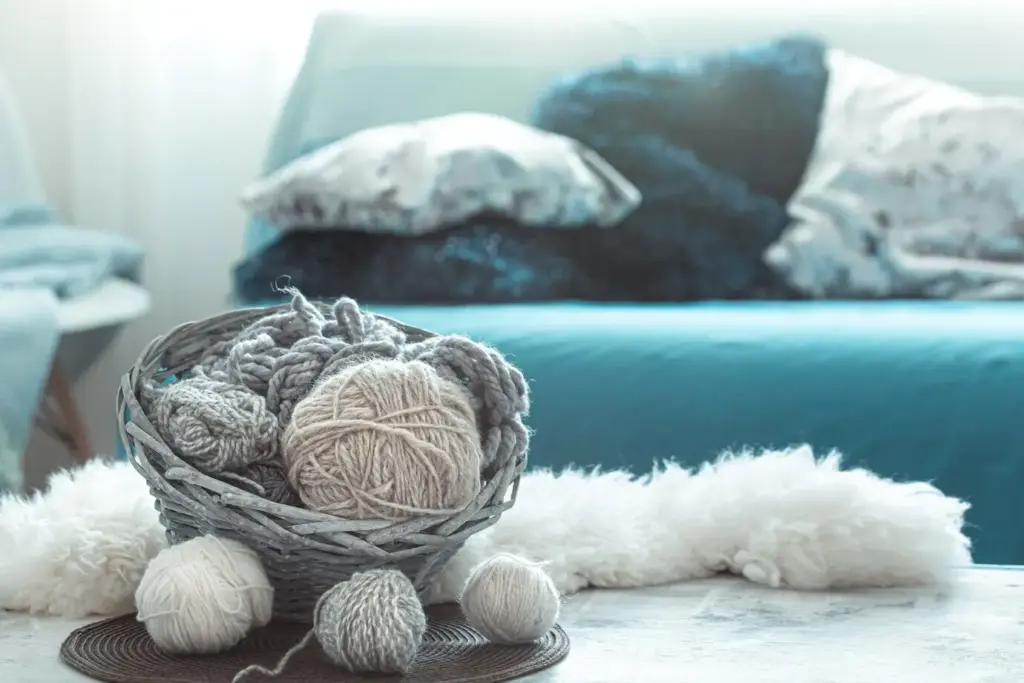
Balancing Warmth and Minimal Visual Noise
Choosing Artwork That Whispers
01
Scale, Sightlines, and Natural Light
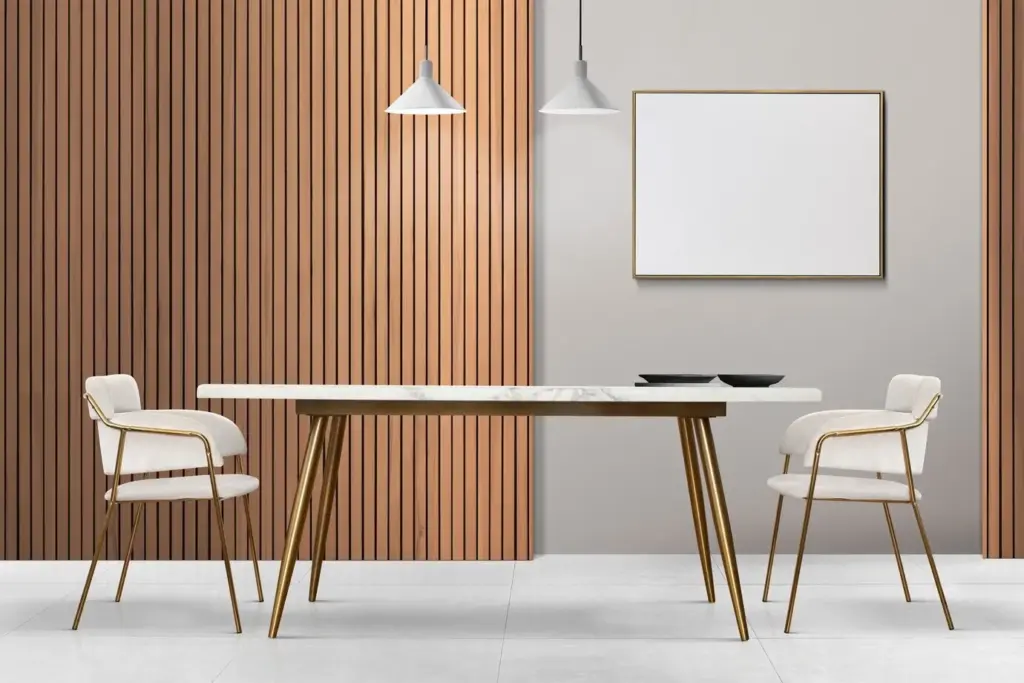
Match the artwork’s scale to the wall’s breathing room, not just the wall’s dimensions. A small drawing can command a large expanse when its margins are generous and the surrounding surfaces remain calm. Consider how morning and afternoon light skim the piece, revealing texture without bleaching pigment. Align sightlines from doorways and chairs so the first glance is restful, not startled. Place a chair nearby to invite lingering. The right distance allows details to unfold gradually, rewarding repeated, unhurried viewing.
02
Frames, Mats, and Edges That Disappear
Frames should support the work, not outshine it. Choose narrow profiles, matte finishes, and museum-grade glazing to limit reflections. Soft white or warm off-white mats create breathing room around delicate pieces, while float mounting respects torn edges and deckled papers. If color appears, let it echo existing materials rather than demand new ones. Consider shadow gaps that whisper rather than shout. When the frame vanishes in perception, the artwork’s voice becomes clearer, harmonizing with the room’s quiet dialogue and the viewer’s focus.
03
Stories Behind the Pieces
Every piece carries a narrative—a studio visit, a flea-market discovery, a postcard that became a lifelong friendship. Keep a small note tucked behind the frame with the artist’s name, date, and your first impression. These records transform walls into living memories, encouraging guests to ask and you to remember. Share those stories with family or readers, inviting recommendations and exchanges. The art becomes less about prestige and more about connection, shaping a home where conversation flows gently and meaning deepens over time.
Books as Architectural Warmth
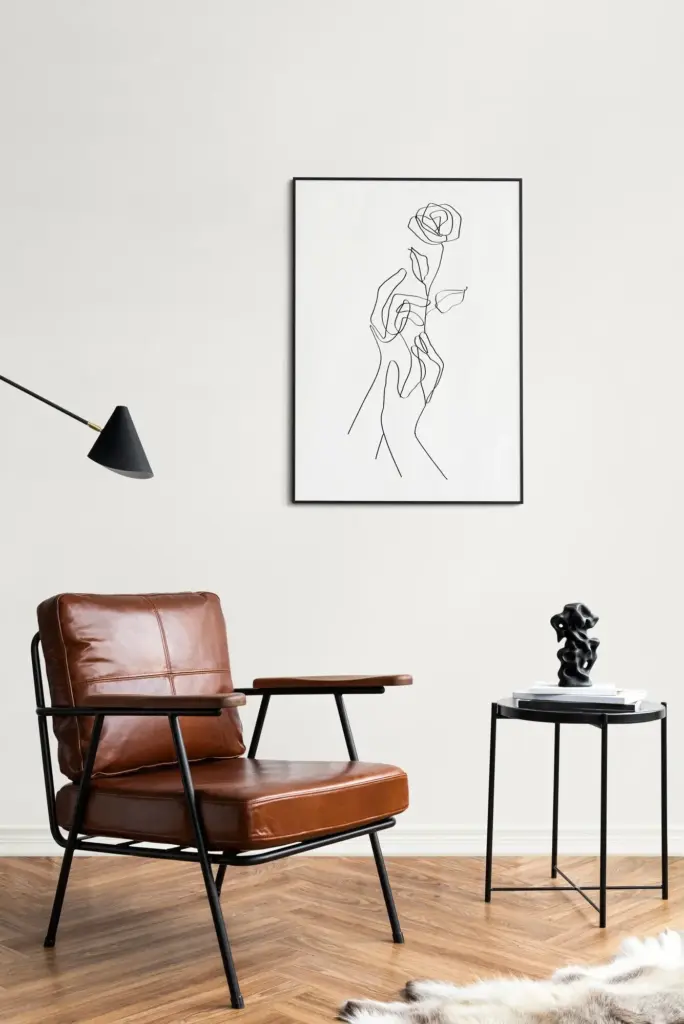
Editing the Library with Compassion
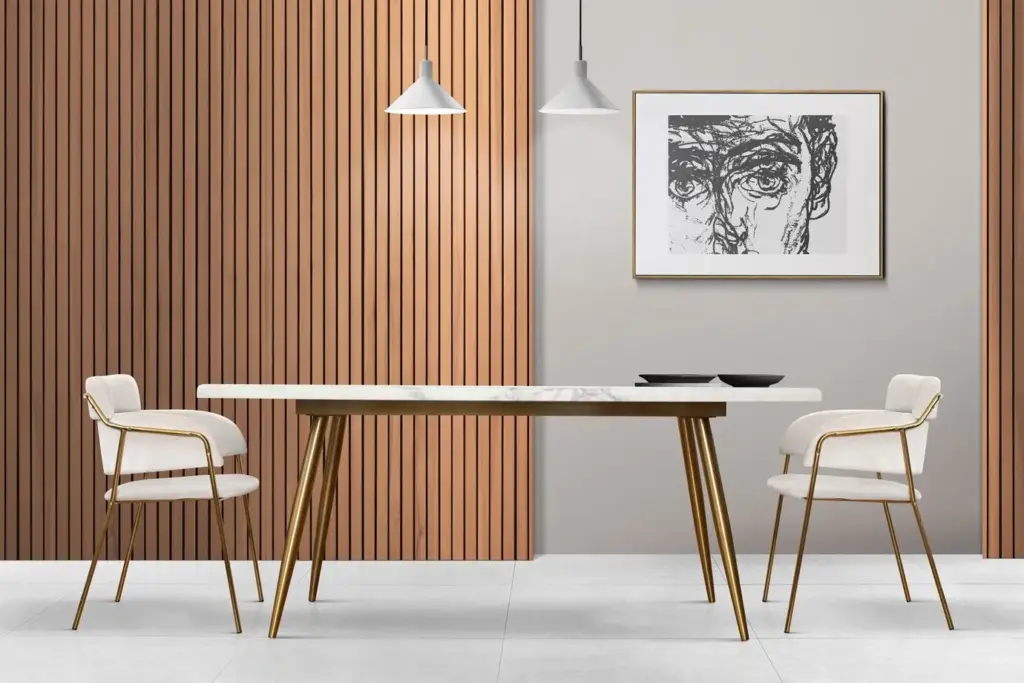
Shelving Rhythms and Horizontal Pauses
Dust Jackets, Cloth Spines, and Tactile Calm
Objects with Purpose and Poise

Layouts, Vignettes, and Negative Space

The Rule of Thirds and One Quiet Surprise
Heights, Shadows, and Gentle Light
Anchoring with Textiles and Natural Surfaces