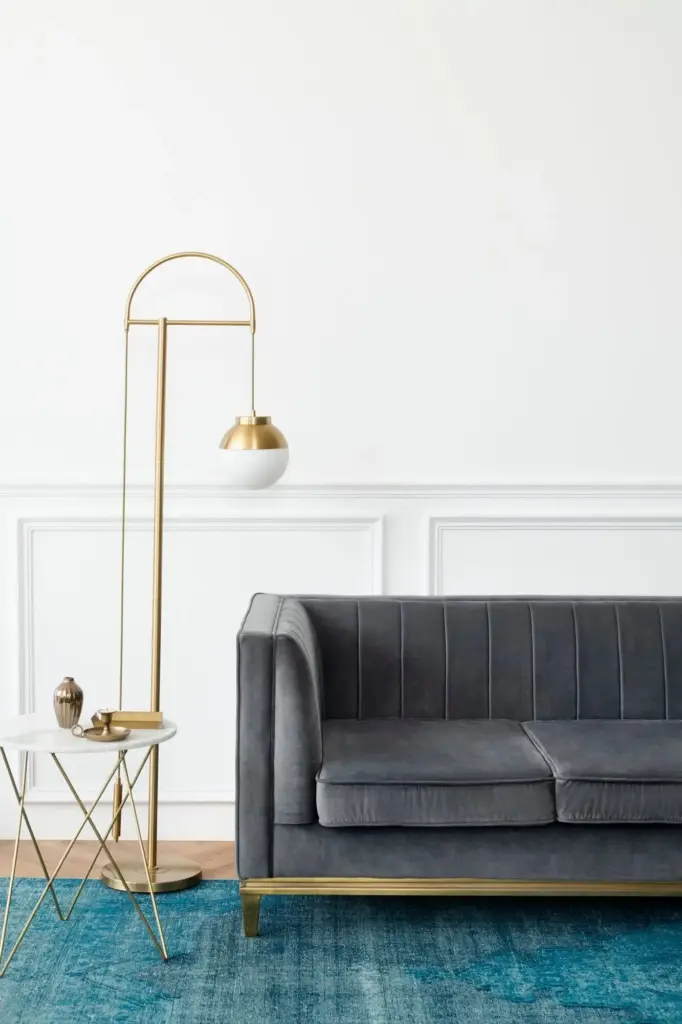
Understated Luxury Starts with What You Touch

Today we explore Foundational Materials and Textures for Understated Luxury Interiors, focusing on how stone, timber, plaster, textiles, and muted metals create rooms that feel calm, lasting, and deeply human. Through practical guidance and lived anecdotes, you will learn to layer tactility, manage light, and choose finishes that age beautifully. Share your favorite pairings, ask questions, and subscribe for future deep dives that help you build spaces where quiet details speak confidently and comfort grows richer over time.

Stone, Wood, and Plaster: The Calm Bones of a Room

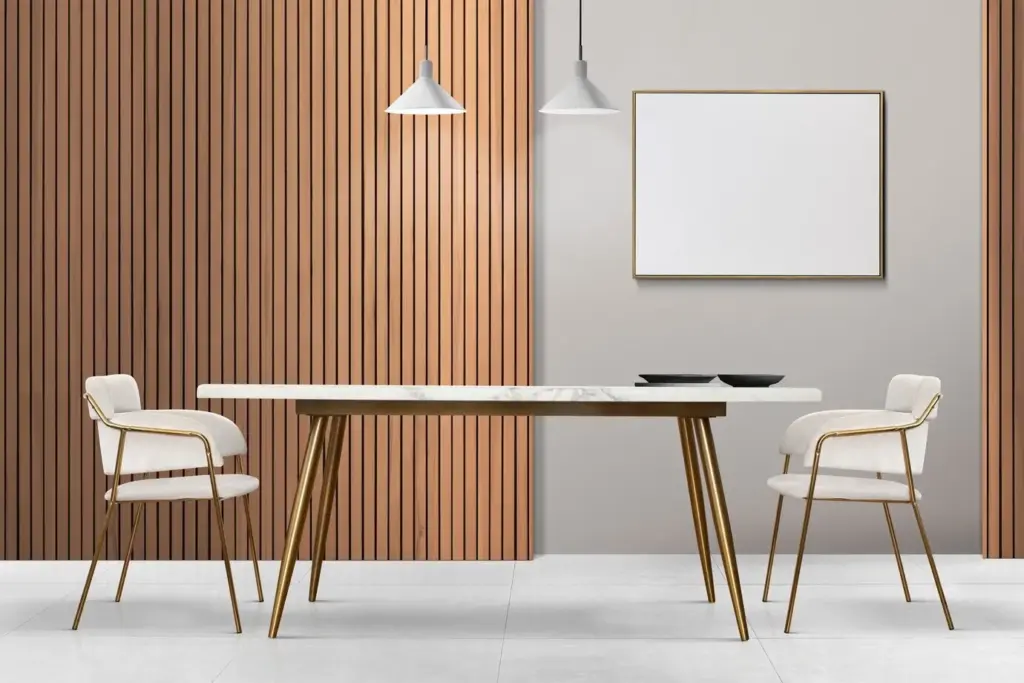
Begin with honest materials that steady the eye and ground the body. Honed limestone, quarter-sawn oak, and breathable lime plaster set a gentle rhythm, softening acoustics and guiding light. Their natural irregularities invite touch and create durable backdrops for daily life. In a lakeside apartment we restored, this trio transformed echo into hush within a week. Tell us which pairing anchors your home, and we’ll share nuanced maintenance tips in upcoming notes.

Honed Stone That Softly Grounds

Choose limestone, marble, or soapstone with honed finishes to diffuse glare and welcome bare feet. Subtle pits and veining catch light in low relief, creating quiet movement without spectacle. Sealed correctly, these surfaces resist stains while developing a graceful patina that chronicles meals, gatherings, and seasons honestly.

Timber with Honest Grain

Quarter-sawn oak or ash keeps boards stable, showcasing tight, linear grain that reads calm across cabinetry and floors. Penetrating oils enrich tone without plastic sheen, allowing small scratches to blend back with a simple rub of wax. Rooms sound warmer, footsteps soften, and the air smells reassuringly natural.

Lime Plaster for Breathable Walls

Mineral plasters regulate humidity, soften corners, and accept touch with charming resilience. Layered by hand, each pass builds microtexture that blurs daylight into a velvety glow. Hairline variations become character, not flaws, and repair remains surprisingly simple with a wet trowel, a little patience, and steady rhythm.

Textiles That Whisper Rather Than Shout
Textiles determine how a room feels against the skin. Washed linen, wool bouclé, mohair, and cashmere bring temperature regulation, soft acoustics, and nuanced depth. Layering weights creates seasonal flexibility without visual clutter. Readers often write that a single slubbed linen curtain changed everything; we agree, and we’ll show you why.

Muted Metals and the Art of Restraint

Shimmer can be quiet. Bronze, unlacquered brass, and aged nickel bring depth through oxidation rather than shine. Used sparingly at touchpoints—pulls, switches, frames—they read as elegant punctuation. We once swapped high-gloss chrome for living brass and watched a hallway suddenly feel collected, grounded, and simply more believable.

Matte, Sheen, and the Drama of Light

Understated luxury thrives on nuance between absorption and reflection. Matte oiled wood, eggshell paint, and honed stone drink light, while delicate accents—silk lampshades, burnished metal—return a whisper. Study your daylight across hours, then tune finishes accordingly. Share your observations; noticing is the first craft every home can learn.

Shadow Lines and Soft Edges

Generous reveals, rounded corners, and recessed bases create shadow lines that calm visual noise. When edges soften, materials converse instead of compete. An architect taught us to detail baseboards like quiet horizons; the trick instantly reduced fuss, letting textures and proportions carry the emotional weight with clarity.

Reflections You Barely Notice

Small, intentional glints—an amber glass vase, a waxed plaster panel, a framed photograph under museum glass—lend depth without sparkling. Place them where light grazes rather than blasts. The room breathes, eyes rest, and the experience becomes cinematic in the gentlest, most humane way possible.

Window Light as Material

Treat daylight like a partner. Layer sheer and lined curtains to modulate intensity, and choose textures that translate sun into atmosphere. Morning light can cool marble to pearl; evening light warms oak like honey. Adjust rods and stack-backs to choreograph this daily, deeply satisfying performance.

The Hand in the Material

Human touch dignifies simple materials. Hand-troweled plaster, chiseled stone edges, and subtly irregular joinery impart warmth machines cannot replicate. You feel it immediately when you enter, like a room exhaling. Prioritize craftspeople, budget for fewer but better details, and invite process marks that tell a generous, ongoing story.

Provenance, Durability, and Quiet Responsibility

Responsible choices rarely shout; they simply endure. FSC-certified timber, regional stone, and low-VOC finishes protect health while reducing transport impact. Durable materials cost more upfront yet age into beauty rather than waste. Tell us your sourcing challenges, and we’ll suggest alternatives that honor aesthetics, budgets, and the planet.

Layering, Scale, and Negative Space

Understatement depends on confident editing. Layer fewer, better elements at deliberate scales, then let emptiness breathe around them. A large wool rug, simple linen curtains, and one grounded artwork can articulate an entire living room. Tell us what you would remove first; subtraction builds the clearest elegance.
Voxozopamamoleto
Privacy Overview

This website uses cookies so that we can provide you with the best user experience possible. Cookie information is stored in your browser and performs functions such as recognising you when you return to our website and helping our team to understand which sections of the website you find most interesting and useful.